Tag: Article

  • Nexus of Sustainable Waste Management

    Nexus of Sustainable Waste Management

    Nexus of Sustainable Waste Management

    Nexus of Sustainable Waste Management

    Nexus of Sustainable Waste Management

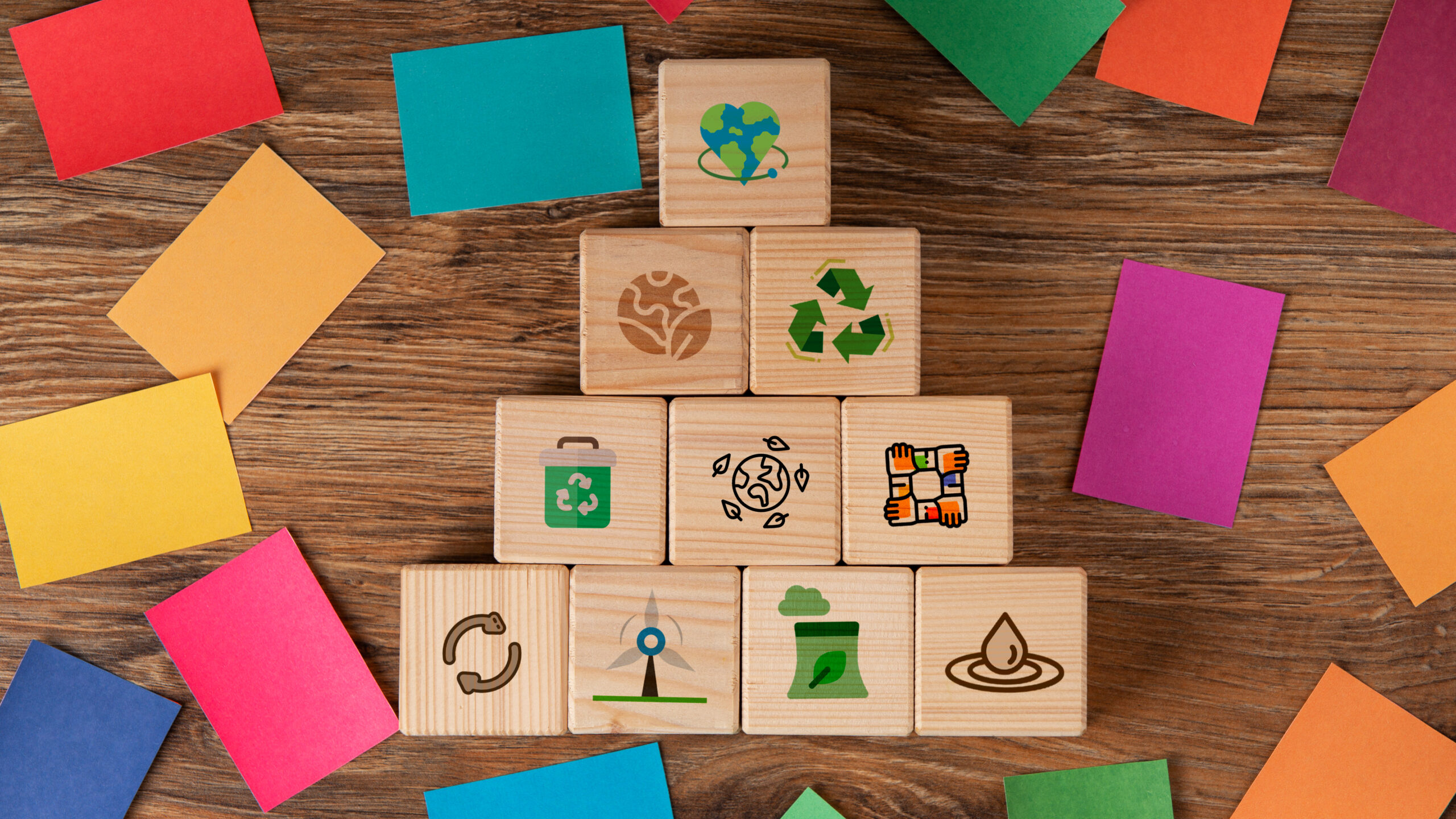
    Sustainable waste management is a key concept of the circular economy and offers many opportunities and benefits to both the economy, the society and the environment. It serves as a source of energy and resources, and also creates jobs and employment opportunities. This lessens the impact of human activities on the environment and improves the air and water quality. It also reduces food wastage, keeps heavy environmental costs at bay, and prevents some human health conditions, thereby improving the overall human life.

    Related publication

  • The Hidden Cost of Fashion: Beyond Glamour to Responsibility

    The Hidden Cost of Fashion: Beyond Glamour to Responsibility

    The Hidden Cost of Fashion: Beyond Glamour to Responsibility

    The Hidden Cost of Fashion: Beyond Glamour to Responsibility

    The Hidden Cost of Fashion: Beyond Glamour to Responsibility

    When we think of fashion, we picture vibrancy, artistry, and identity. Runways, glossy magazines, and the contents of our wardrobes symbolize more than clothes—they represent culture and self-expression. Yet, behind the glamour lies a reality often overlooked: fashion comes with hidden costs, spanning economic, social, and environmental dimensions. To truly understand the clothes we wear, we must look beyond aesthetics to the systems that produce them and the consequences they leave behind.
    Related publication

  • The Future of Sustainable Development: Pathways to 2030 and Beyond

    The Future of Sustainable Development: Pathways to 2030 and Beyond

    The Future of Sustainable Development: Pathways to 2030 and Beyond

    The Future of Sustainable Development: Pathways to 2030 and Beyond

    The Future of Sustainable Development: Pathways to 2030 and Beyond

    With less than five years remaining to achieve the 2030 Agenda, the urgency of sustainable development has never been greater. Progress across the Sustainable Development Goals (SDGs) remains uneven, with some areas showing promise while others lag far behind. The future will depend on how humanity responds to both opportunities and risks whether we can harness innovation, inclusivity, and resilience to transform challenges into pathways for progress.

    Related publication