Tag: News Story

  • AIIDEV Africa Ignites Youth Innovation at Abuja SDG Bootcamp
    AIIDEV Africa Ignites Youth Innovation at Abuja SDG Bootcamp

    AIIDEV Africa Ignites Youth Innovation at Abuja SDG Bootcamp

    September 30, 2025

    Empowering Changemakers to Design Scalable Solutions for Sustainable Development…

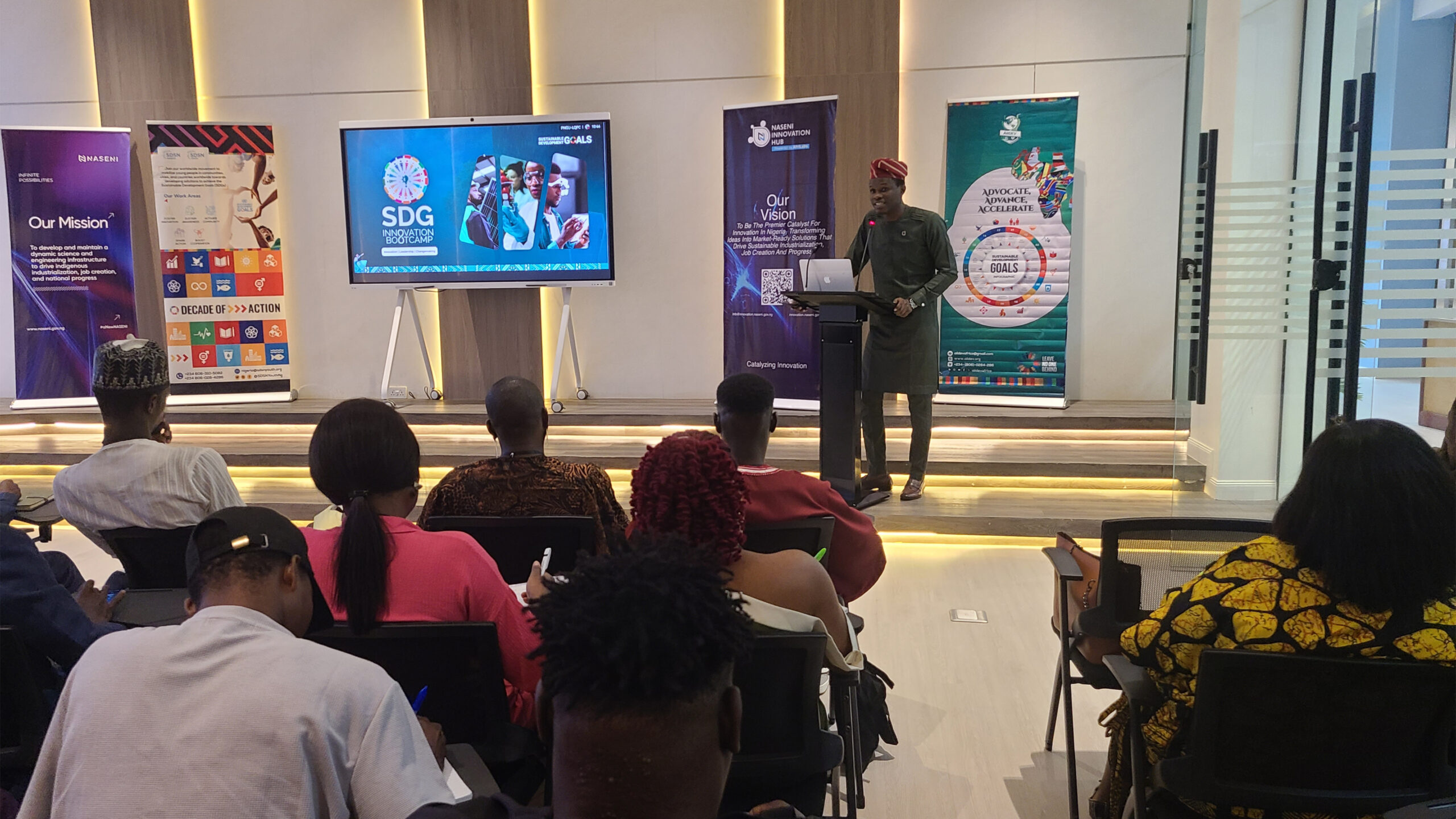
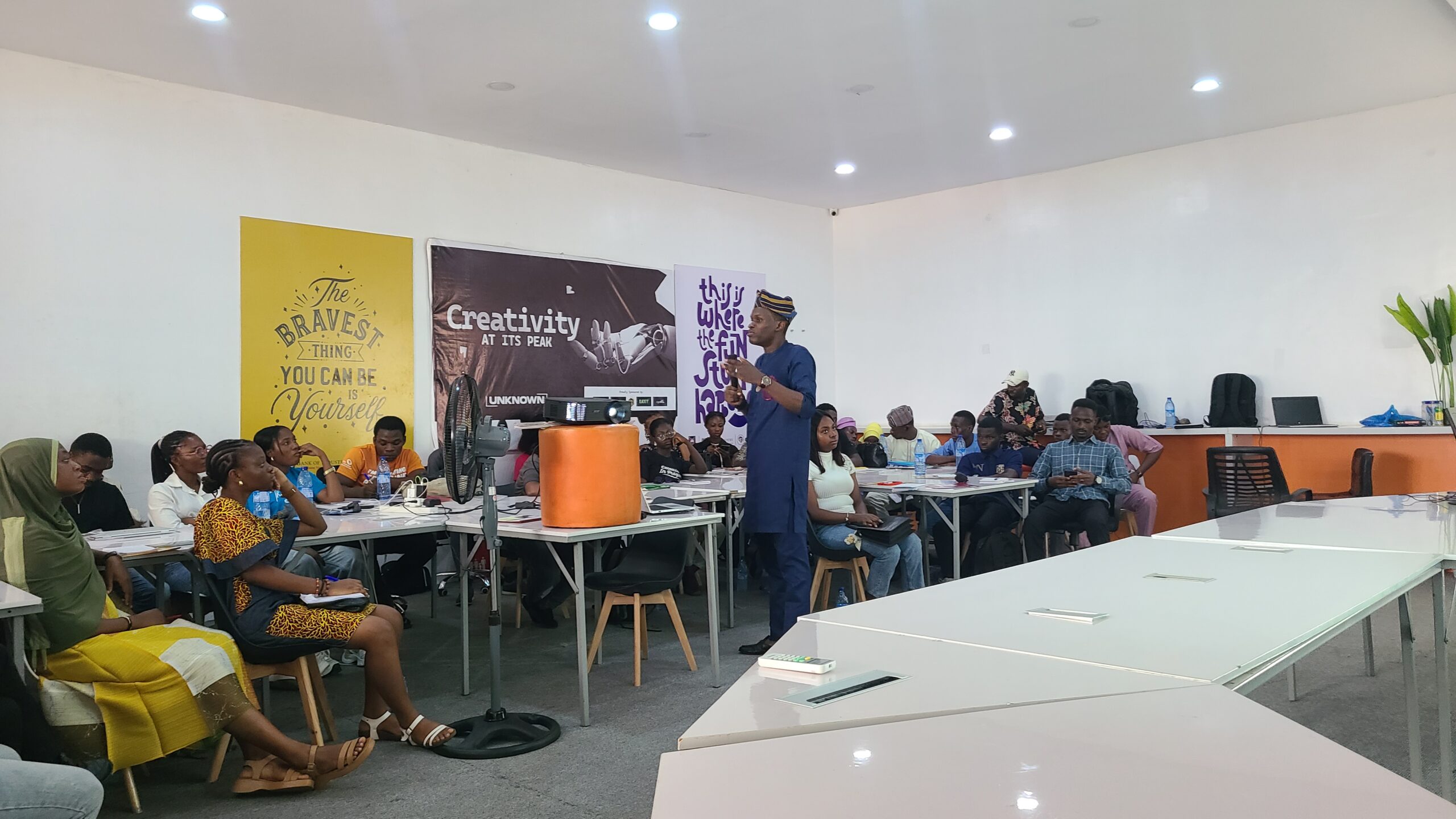
    The Advance Initiative for Innovation and Development (AIIDEV Africa) successfully hosted the Abuja SDG Innovation Bootcamp, a hands-on and intensive program designed to foster collaboration, creativity, and problem-solving. The Bootcamp provided participants with expert mentorship, practical training, and a platform to develop scalable solutions that drive real impact. This edition was hosted in collaboration with NASENI Innovation Hub and SDSN Nigeria.

    Speaking at the event, Emmanuel Ola-Olowoyo, Regional Lead of AIIDEV Africa, emphasized that despite the growing awareness of sustainable development and social impact, many young people still lack the knowledge, tools, and mentorship needed to transform their ideas into actionable solutions. He highlighted the urgent need to equip young changemakers with the skills to innovate and implement SDG-aligned initiatives capable of creating meaningful change in their communities.

    The SDG Innovation Bootcamp is designed to address this gap by offering an intensive, hands-on learning experience for Nigerian youths on designing transformative innovations. It creates an enabling environment for collaboration, knowledge-sharing, and mentorship, helping participants refine their ideas into practical, scalable solutions that contribute to the Sustainable Development Goals (SDGs).

    The event began with a goodwill message by Mr. Abdulkarim Umar, Chief Technical Officer to the EVC/CEO of NASENI, who reiterated the organization’s commitment to promoting and developing science, technology, and engineering infrastructure in Nigeria. He noted that NASENI was established to address the country’s scientific and technological challenges and continues to play a pivotal role in fostering indigenous solutions that drive economic growth, industrialization, and technological self-reliance.

    The Bootcamp featured a rich lineup of sessions, including technical training, design thinking and innovation sprints, advisory and mentorship clinics, SDG-themed games and icebreakers, as well as networking and career opportunity sessions.

    Also speaking at the event, Bukola Beckley Perez-Folayan, Head of NASENI Innovation Hub, spoke extensively on Driving Innovation for Sustainability and Social Impact, inspiring participants to build solutions that are both impactful and scalable.

    The Abuja edition follows the earlier Oyo and Osun SDG Innovation Bootcamps held in April and May 2025. AIIDEV Africa plans to implement the program across all 36 states of Nigeria and extend it to tertiary institutions across Africa. Partnerships and collaborations are welcomed to scale the training and multiply its impact.

    The Bootcamp ended on a high note, with participants sharing powerful testimonials:

    • “The technical sessions were enlightening, and the atmosphere made networking easy. I always love being among like-minded individuals, and the Bootcamp gave me that opportunity.” – Abubakar T.I
    • “I came almost empty-headed, but left equipped, informed, and prepared to make the change I dream of. I gained clarity on how to act on my ideas and collaborated with other participants to scale impact.” – Surajo I
    • “It is by far the best Bootcamp I’ve ever attended. The organizers, interactive sessions, and participants made networking easy. Well done!” – Oluwapatan A.E
    • “The Bootcamp was truly transformative. It strengthened my leadership and advocacy skills, and I gained confidence in pitching ideas and developing solutions, particularly in climate action, waste management, and renewable energy.” – Ibrahim N
    • “Each session was captivating and delivered with depth. As someone still building capacity, this Bootcamp gave me direction on how to tackle problems and design solutions.” – Ogungbayi S

    The SDG Innovation Bootcamp continues in other states and universities, as only a fraction of the 2025 target has been achieved.

    To partner, collaborate, or join the movement: sdginbootcamp@gmail.com
    Related Content

  • AIIDEV, Experts, Don Demand Curriculum Reform to Drive Green Education

    AIIDEV, Experts, Don Demand Curriculum Reform to Drive Green Education

    AIIDEV, Experts, Don Demand Curriculum Reform to Drive Green Education

    August 5, 2025

    …A Bold Push to Make Nigerian Schools Hubs of Sustainability

    Across Nigeria, a quiet revolution is taking root in classrooms. Chalkboards are giving way to green boards, and schoolyards are transforming into gardens and recycling hubs. Leading this charge is the Advance Initiative for Innovation and Development (AIIDEV), whose Green School Activation Programme is challenging the nation’s education system to embrace sustainability as the future of learning.

    Piloted in Abuja, Lagos, and Oyo State, the programme has already reached 100 schools and over 300 teachers, equipping educators not just to teach, but to lead a new generation of climate-conscious citizens. The initiative brings to life a whole-school approach where lesson plans, school operations, community partnerships, and even playgrounds align with sustainable practices.

    At the heart of this effort is the Green School Summit, a groundbreaking series of state-level gatherings designed to galvanize action and chart a bold course for green education.

    At the inaugural summit in NAENI Innovation Hub Abuja on 1 August 2025, Engr. Rahman O. Mogaj, National Focal Point for the Greening Education Partnership, declared teachers as the “frontline soldiers” of sustainable transformation. He unveiled the National Network of Accredited Green Schools, a certification platform that rewards eco-committed schools with access to global resources, training, and recognition.

    Participants explored low-cost but high-impact solutions from composting leftover food to vertical farming in small spaces, and from solar adoption to community recycling partnerships.

    Rita Idehai, founder of Ecobarter, showcased how schools can link with local businesses to turn waste into wealth. The event closed with a charge for teachers to transform classrooms into incubators of environmental leadership.

    At the University of Ibadan’s Centre for Sustainable Development (CESDEV), the Oyo summit on 7 August 2025 deepened the conversation. Professor Adejoke Akinyele, Dean of the Faculty of Renewable Natural Resources, delivered a keynote titled “Promoting Green Education and the Whole-School Approach in Nigeria.” With urgency, she warned: “Nigeria is facing grave environmental challenges, deforestation, pollution, and the worsening effects of climate change. Education is our most powerful tool to raise citizens who are conscious, resilient, and ready to act.”

    Her message was clear: reforming the curriculum is not optional, it is survival. She championed the Whole-School Approach, which blends classroom reform with eco-friendly infrastructure, community engagement, and a sustainability-first school culture.

    Regional Lead of AIIDEV, Emmanuel Ola-Olowoyo, reinforced this, promising resources, seeds, and teacher training to embed sustainability projects in schools. “We are planting more than trees,” he said. “We are planting a movement that will outlive us.”

    Other speakers including Jumoke Olowokere (Waste Museum), Mayokun Iyaomolere (Plogging Nigeria), and Elijah Adejimi (For Nature and Future Ecogreen Initiative) urged schools to adopt clean energy, create eco-clubs, and introduce competitions to reward innovation.

    The final summit, at the Lekki Conservation Centre on 8 August 2025, focused on Nigeria’s commercial capital, a city facing some of the harshest environmental threats.

    Professor Timothy Nubi, Founding Director of the Center for Housing and Sustainable Development at the University of Lagos, declared green education a “catalyst for sustainable development and environmental stewardship.”

    Speakers such as Olumide Idowu (International Climate Change Development Initiative), Doyinsola Ogunye (RESWAYE), Daniel Oderinde, and Abiola Alabi urged schools to lead climate action by embedding sustainability across subjects, championing recycling, and forging partnerships with communities.

    The summit ended with a powerful call: plant more trees, conserve energy, cut plastics, and extend sustainability from the classroom to homes and communities.

    Across Abuja, Ibadan, and Lagos, a shared message emerged: environmental sustainability is not merely a policy agenda, it is an educational and cultural imperative.

    “Through awareness, action, and collaboration, we can nurture a generation ready to lead Africa toward a greener, healthier, and more resilient future,” participants affirmed.

    The Green School Activation Programme is proudly supported by ICCDI, ANCJ, NCF, CESDEV, SGEi, ECOBARTER, NASESNI and other environmental based organizations. GSAP aims to keep transforming schools into living laboratories of sustainability, where the next generation will not just learn about the future, but actively build it.

    Related Content